
By Daniel Paiz
Derezz from the Ares focus and interconnect the programs!
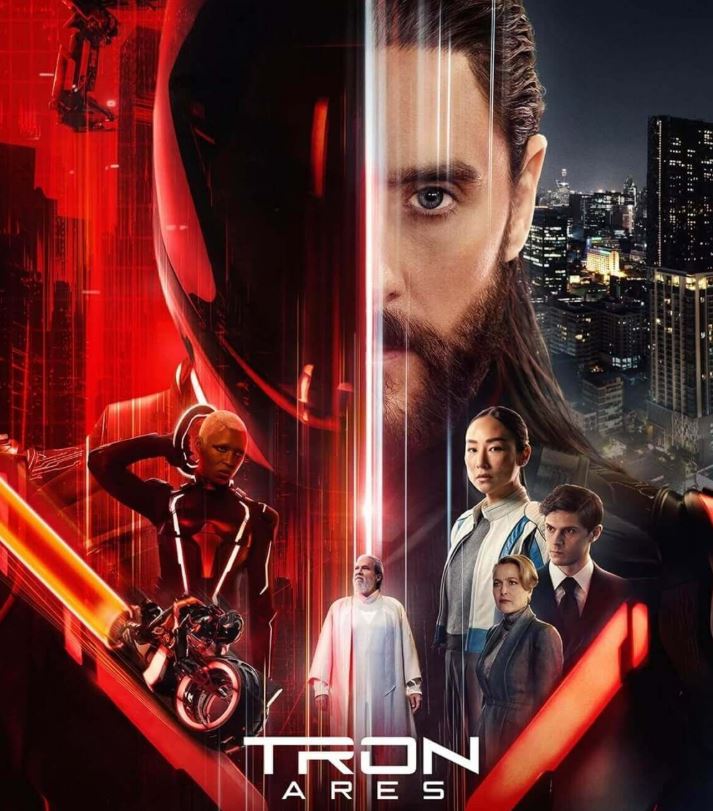
Hear me out before you groan at the idea. Yes, the idea of multiple universes existing simultaneously is worn out, but this might be a decent exception. In Tron: Ares, the two competing factions (tech companies if you will) are Encom and Dillinger. Both have ties to the original Tron, and both search for the missing code that will solve all the world’s problems; the Gridverse is right there!
Both companies have their own grid. In the third act, viewers even witness Tron and the original Grid (OG, if you will). That’s three different grids right there, meaning three different programs. Now all three exist on the same interwebs (and all three have access to a portal to the real world*). However, there are different programs along this same internet.
Besides today’s current online existence there is the dark web, and there are plenty of communities and servers and whatnot existing across the web. Think of all the tech companies and other actors who could access or build a grid; the interactions could lead to some interesting world-building.
Oh no everyone, AI is out to get us again…
Ares centers on programs entering into the real world to oddly locate essential missing code. There are also the themes of AI becoming sentient and learning enough of this new realm to seek existence in it. The fear of AI becoming sentient almost always leads humankind to expect the worst, which is a flaw in our thinking. That is a possibility once AI learns of our awful actions.
However at a much less frequent rate, it is not considered that AI or similar programming could see what progress and growth have been made. From there, AI could expand upon and improve human efforts, something Eve Kim focuses on from what footage Ares can access.
What hinders this film is time-tested expectations on AI and sentience. There’s tunnel-vision focus on AI shifting from a place of learning and curiosity to growing corrective and corrosive. This is where human nature often goes astray in Sci-Fi. It’s due to a balancing act folks believe exists between justice and mercy. To put it another way, humans want mercy for themselves, but justice served to everyone else.

To bring focus back to why Ares should shift to a Gridverse over the awryness of human nature, the grids can hash out these questions via interaction. Multiverse stories exist to explore these ideas of justice and mercy, existence and purpose, and much more. To use that platform is a worn-out blueprint for the past decade; but there are always exceptions to rules. An Ares sequel could be one.
For those who have watched all of Ares (this might be an odd read without doing so), the need to draw on legacy roles but given a modern makeover is a money-focused ploy. The youngest Dillinger taking over a 1982 role doesn’t help dig into the pitfalls or “darkness” of AI. Instead, it simply recycles how greedy human nature can be.
On the flip side, Nine-Inch Nails were top-notch throughout this film. They continued on the musical legacy Daft Punk granted fans in Tron Legacy.
Biggest gripe with Tron Ares (Final Verdict)
It’s difficult to care about new characters when there’s little effort made to explain why they are selected. Greta Lee delivers a solid job as Eve Kim. However, the Kim twins selected by Sam Flynn as successors for Encom is underwhelmingly explained. I don’t need an hour showing how that choice was made. I don’t need 15 minutes showing a scene of Sam and the Kim twins getting along well enough. The brief 30-second news reports explaining the gap between Legacy and Ares in the opening sequences are not sufficient background info.
Not doing so makes it hard to care about the new faces for Encom. It is understandable the plot changed drastically after Leto became further involved in script development and production. At least the programs are tied to a legacy Tron role, as is Dillinger. But the shift that happened damaged the story shown to the masses. Nine Inch Nails and richly beautiful visuals can only carry a film so far.
At least Jeff Bridges delivered some original magic to a franchise very different than the one he first logged into all those years ago.
 Cypher Sessions