By Daniel Paiz
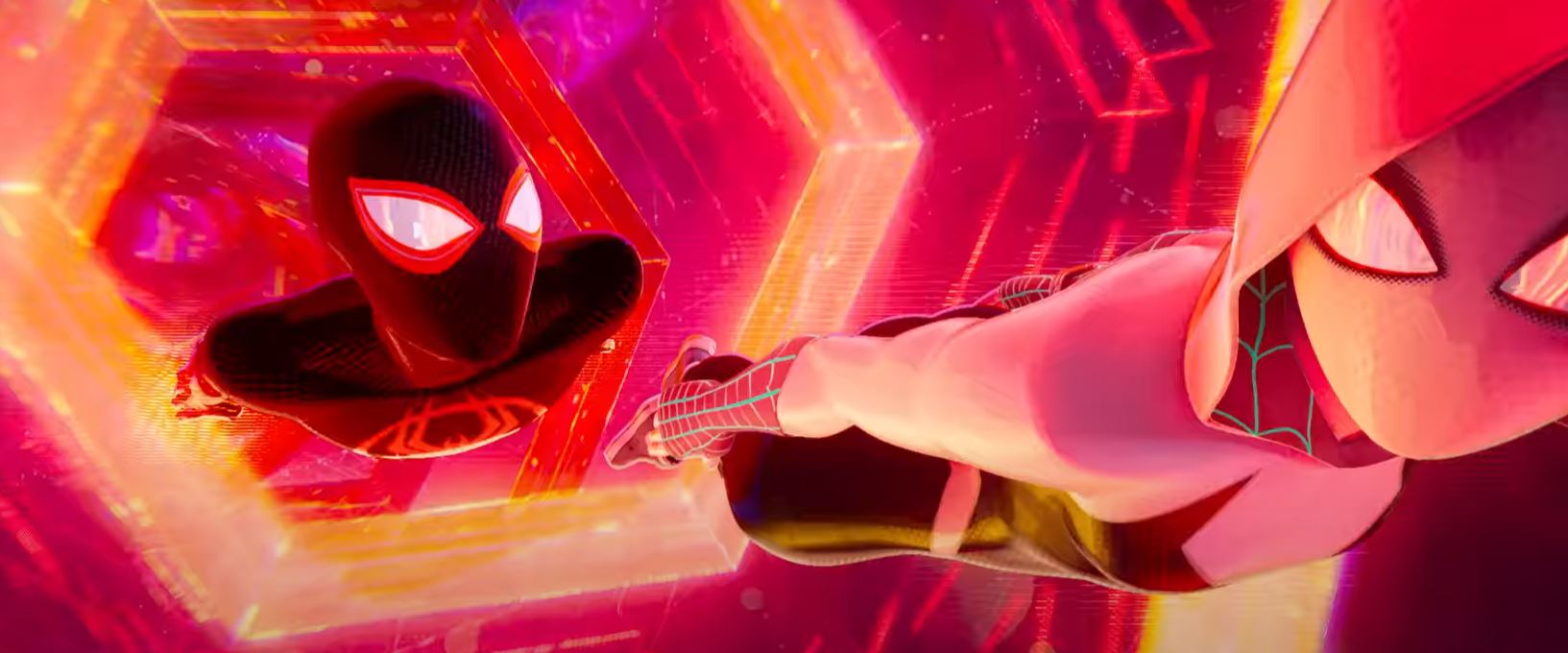
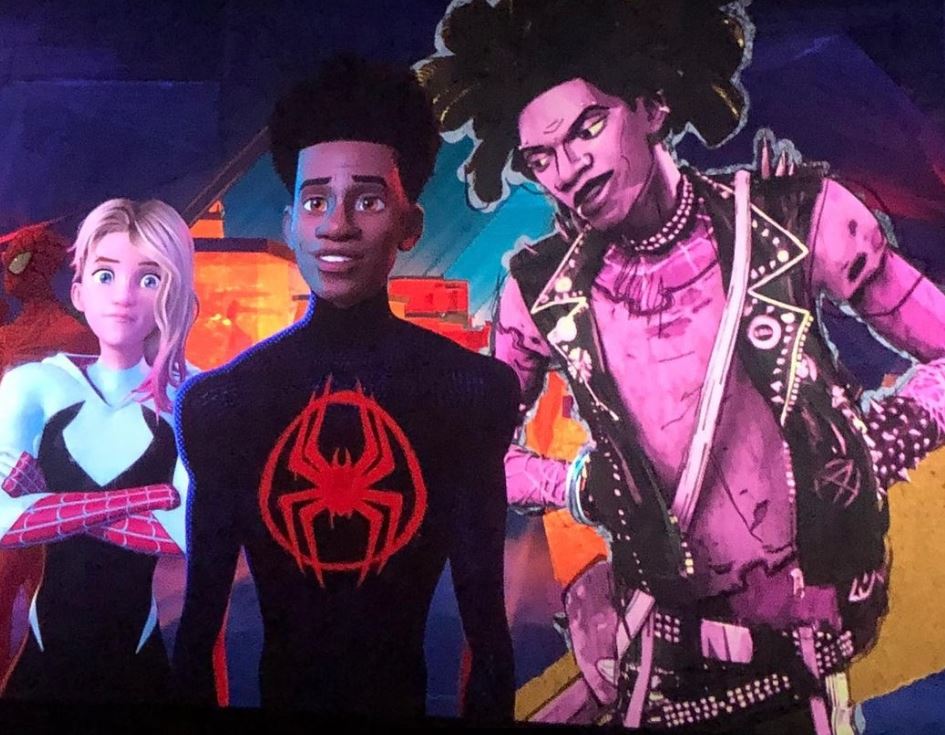
Spider-Man: Across the Spider-Verse was one of the more highly anticipated sequels in 2023, and it was even better than the hype surrounding it. Countless Easter eggs, dozens of callbacks to Spider-Man films, games, comics, etc. and the overall moral dilemma all made this film fly by. Miles Morales (Shameik Moore), Gwen Stacy/Spiderwoman (Hailee Steinfeld), and Peter B. Parker/Spiderman (Jake Johnson) all return, and they have even more Spider people to interact with.
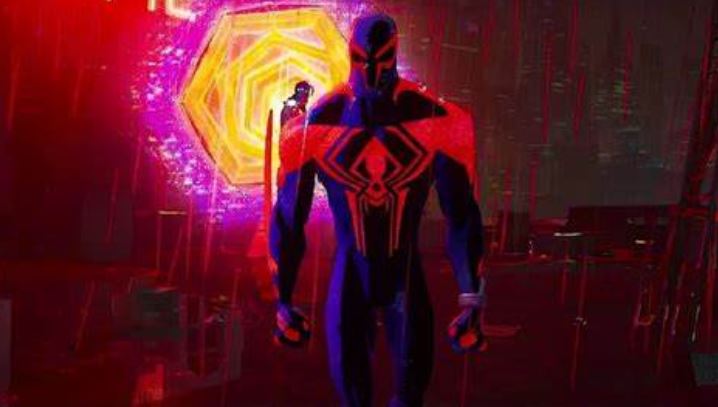
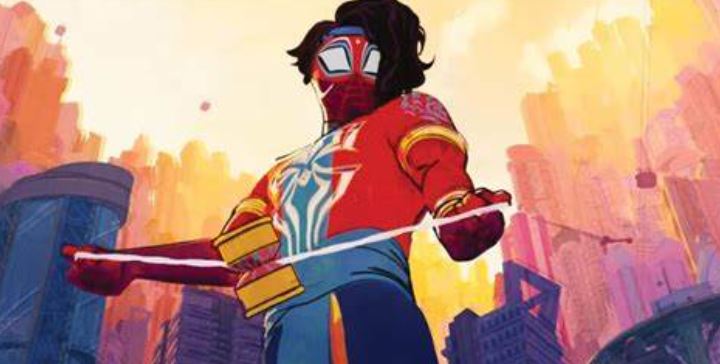
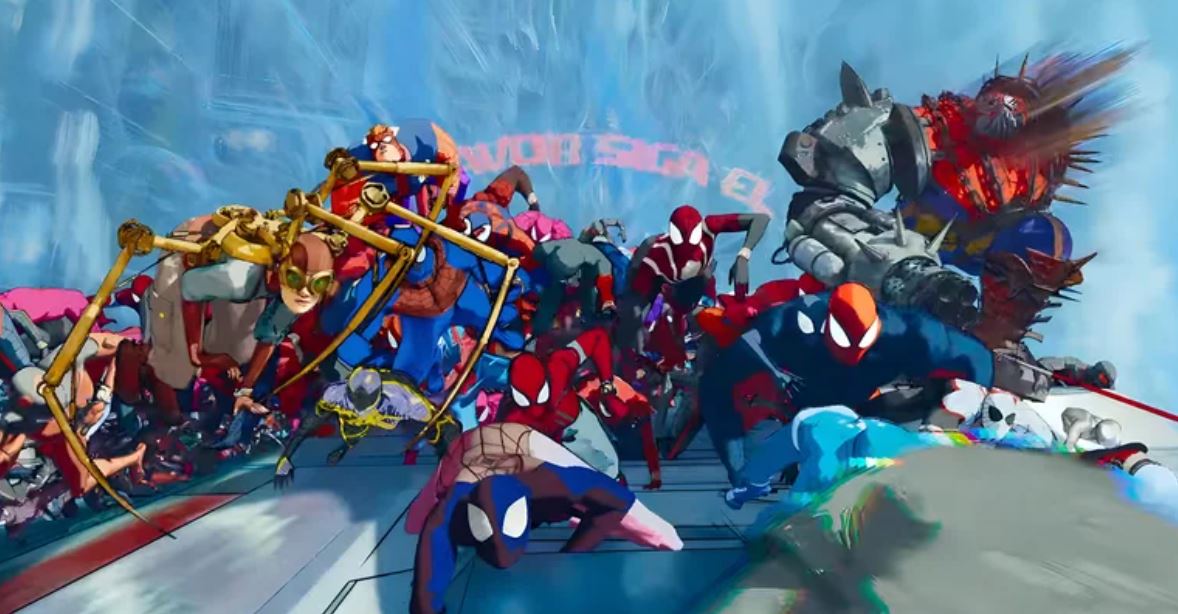
Countless number of Spider people exist, although the most central to this story are Jessica Drew/Spiderwoman (Issa Rae), Hobie Brown/Spider Punk (Daniel Kaluuya), Spider-Man India/Pavitr Prabhakar (Karan Soni), and the maestro behind traveling the Spider-Verse, Miguel O’Hara/Spiderman 2099 (Oscar Isaac). There might be some spoilers here and there, so if you haven’t watched this film, then watch it and come back to this. If you have, then let’s see how similar to the TVA and Dr. Strange this thing gets.
If you knew, would you still…
O’Hara/Spiderman 2099 has been around the spider block a few times and appears to be doing a similar job to what the Time Variance Authority (TVA) does: trying to right timeline wrongs. There are canon events that nearly every Spider person encounter in their lives across each universe, and when disrupted, it can cause issues outside of their own universe. O’Hara found out the hard way that attempting to rewrite things causes these riffs.
They aren’t quite incursions (as most vividly depicted in Dr. Strange in the Multiverse of Madness) but they seem very similar in that they can disrupt and cause the glitching seen in both Spider-Verse films. This then leads us to the dilemma that Miles is presented and refuses to accept: do you save one, or save an untold number of people and universes?
The vast number of Spider people make it seem that there is no way that every single universe could be impacted. However, much like the actions of different Stephen Stranges, the actions of Peter Parkers and in this case, Miles Morales, shows viewers that having everything is highly unlikely. Nothing is guaranteed to happen, but O’Hara’s experience tells him Miles is mistaken.
Views and tunes highlight hues
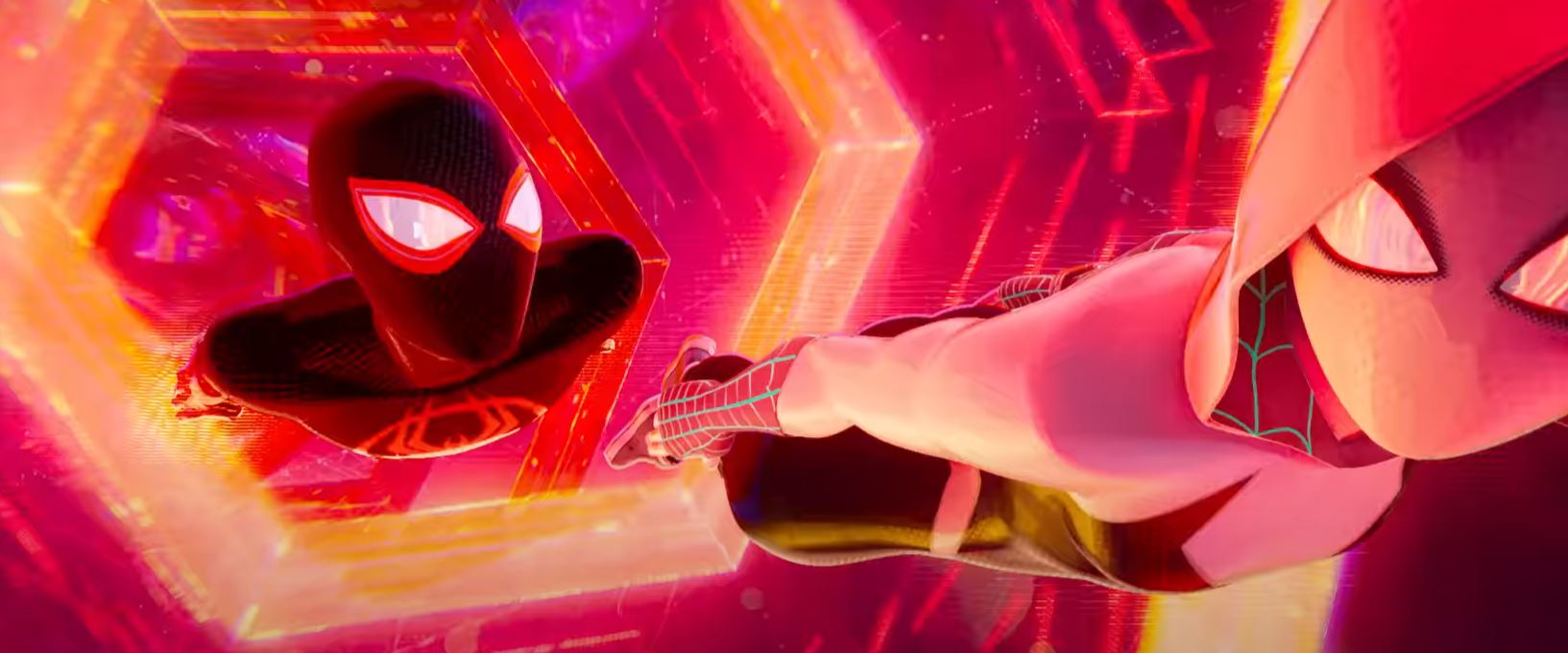
The visual artwork in this film adds to the tension, settings, and the fast-paced storytelling. The animated realm that each Spider person comes from is brought together in O’Hara’s universe, which is great continuity from the first film. The hues and the animations seem to reflect the moods of the main characters at just the right time. Several times we see Gwen Stacy’s mindset seeping around the frame. Part of me thinks there’s no way there isn’t a Gwen Stacy/Spiderwoman spin off film, because the choices she’s made are so central to the storyline.
The sounds are major as well. When a new chapter unfolds, the tunes embody the timbre of the storyline. In some ways it feels like films from the black and white picture days, because the songs set the scene so well. The best track from the soundtrack (produced by Metro Boomin) is placed so well despite its placement being a bit tragic: Am I Dreaming by Metro Boomin, A$AP Rocky, and Roisee plays as the credits start and you’re left hanging at the end.
The strings and the orchestral nature of this track are mixed so well with the sweltry singing of Roisee. Her voice encapsulates resilience, pain, and predicament. This listener almost expects Hailee Steinfeld and Roisee to have sat down and discussed Gwen because this feels like a launchpad track for Gwen (if you saw the ending, you likely understand what I mean). This singer likely going to blow up after this soundtrack, and it’ll be well deserved.
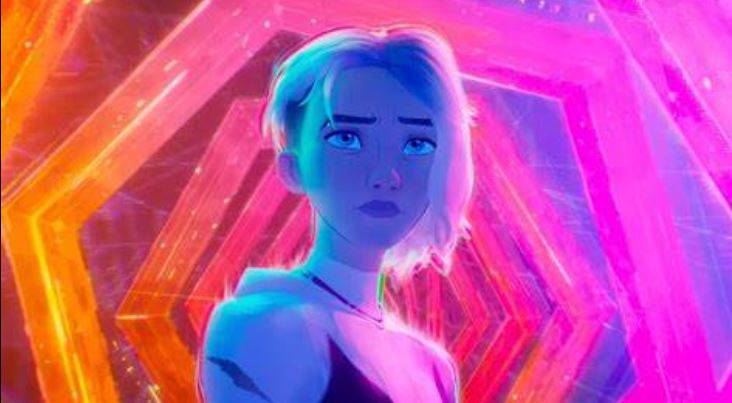
One other track that really seems to capture the mood and headspace of Gwen has to be Self Love from Metro Boomin featuring Coi Leray. The lyrics don’t fully tie into what’s going on, as Gwen clearly lives in the city and in this series hasn’t been in the suburbs. However, it does a good job of reflecting how Gwen is still processing loss and how she’s navigating letting Miles and others in. The pain of losing those close to you often builds walls, and Gwen is figuring out if those walls can come down. Gwen also has the burden of knowing how things are expected to turn out and has to resolve whether she accepts those outcomes or plans to actively change said outcomes.
Questions remain
There are a few questions this viewer had after the film, and still possess while writing this. First, there’s the character Spider-Byte/Margo Kess (Amandla Stenberg). The avatar character who interacts remotely with everyone else had the ability to stop Miles from escaping. However, she didn’t. But, where Miles went was not his universe, and this bares the question did Spider-Byte realize this and come to the conclusion Miles was desperate to go to anywhere else, thus it didn’t matter that he went where he did? Or, did she think well I can’t be blamed for him going to the wrong place, as it would be common knowledge at this point his origin was something “unexpected” shall we say (I’d say more, but to do so is a major spoiler for the character and trilogy).
Next there’s Spider Punk, aka Hobie Brown. He seemed to know that things were going to go left the more Miles learned, and actively took part in getting Miles to some realizations. This makes me wonder if its due to his anarchic, punk-based life philosophy, or if it was more so due to the fact that Hobie seems like Miles in terms of being “unexpected”. After all, in the closing scene with Gwen, numerous individuals in that shot seem like they might be disruptions similar to Miles and Hobie. Perhaps Hobie has been watching and waiting to break away from the larger Spider society and keep doing things like he did in his universe.
Lastly, does Miguel O’Hara really know that these disrupted events will only fracture and break the Spider-Verse more, or did he perhaps get he wanted but then messed it up on his own? There seems to be times when a hero does get everything he wants, but poor decisions or unaddressed flaws ultimately unravel what they originally wanted. O’Hara has all the makings of someone who achieves at a high rate but lacks the people skills to maintain it. He’s not a villain as far as I can tell, but he has more of an anti-hero vibe going on as the story progresses.
Final Verdict
2023 so far has had John Wick 4, Guardians of the Galaxy 3, Fast X, Creed III, Ant-Man and the Wasp: Quantumania and so many other sequels. This sequel is better than all of them. The struggles of adolescence are compounded with decision-making that will impact not just countless lives, but lots of universes as well.
It turns out that making decisions meant to protect those you care about aren’t as effective at doing so as characters like Gwen and Miles think. The actions taken in Pavitr’s universe disrupt an important event but leads one to question can things really be different. The age-old question of, does choice really exist or is it all pre-determined, and is what one picks supposed to be the charted-out choice anyway, lurks before viewers several times.
There are going to be some losses in the third and final installment of the Spider-Verse, tentatively called Spider-Man Beyond the Spider-Verse. Miles could lose his family, he could lose those Spider people who are on his side, or he could just lose everything. Gwen can still lose as well when it comes to both Miles, and her dad, Capt. Stacy. It’ll be interesting to see how the current villain at hand, The Spot (Jason Schwartzman) is handled, and if the Spider-Verse itself survives such a murky situation.


3 thoughts on “Spider-Man Across the Spider-Verse: A Cypher Flicks Review”